Explore Natural Dietary Components
An educational resource dedicated to understanding the role of natural ingredients in daily wellbeing.
Learn more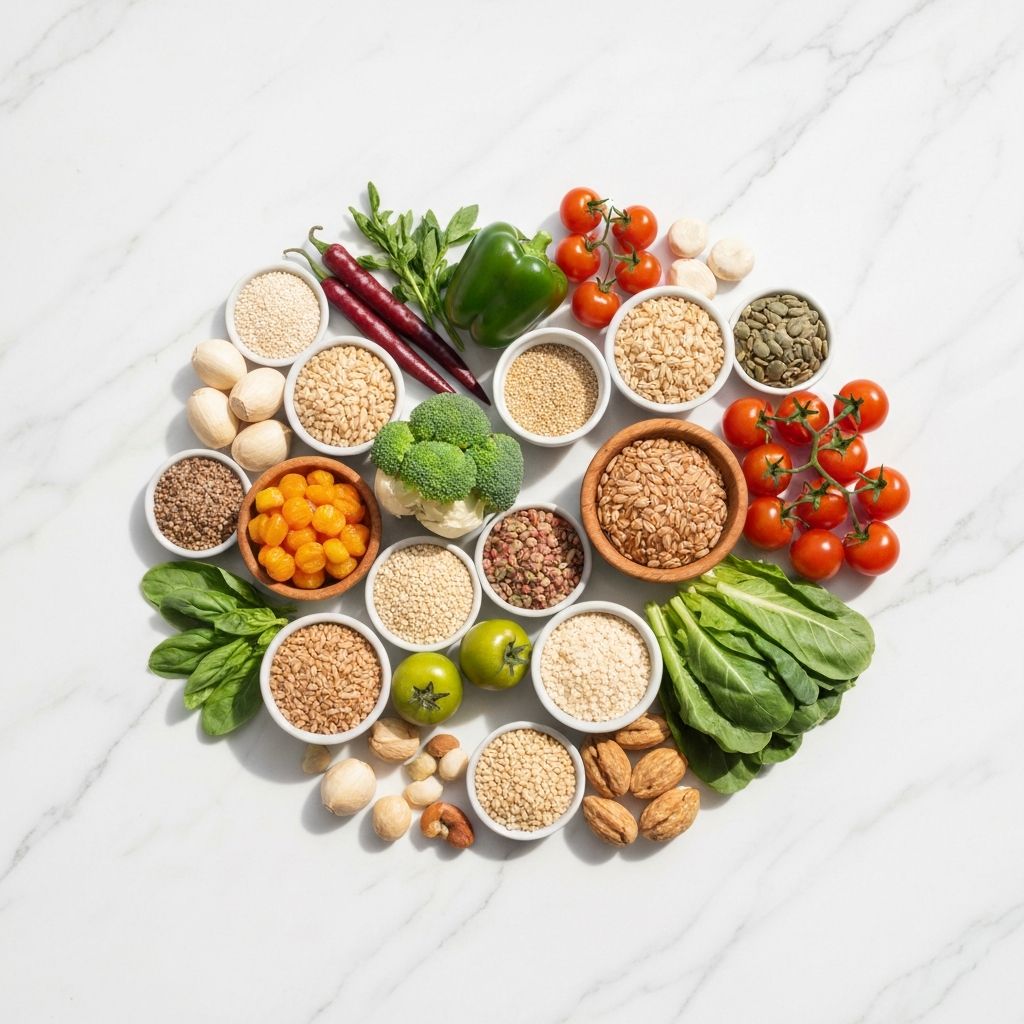
Introduction to Natural Dietary Components
Natural dietary components encompass a wide spectrum of nutrients, minerals, and organic compounds found in whole foods. These elements have been part of human nutrition for millennia, contributing to the complex biochemistry that supports daily life.
Understanding these components provides insight into how different cultures have approached food and nourishment throughout history. From ancient grains to traditional herbs, the diversity of natural ingredients reflects the rich tapestry of human dietary practices.
This educational hub examines the scientific, cultural, and historical dimensions of natural dietary components, offering context without prescribing specific actions or outcomes.
Vitamins and Minerals Overview
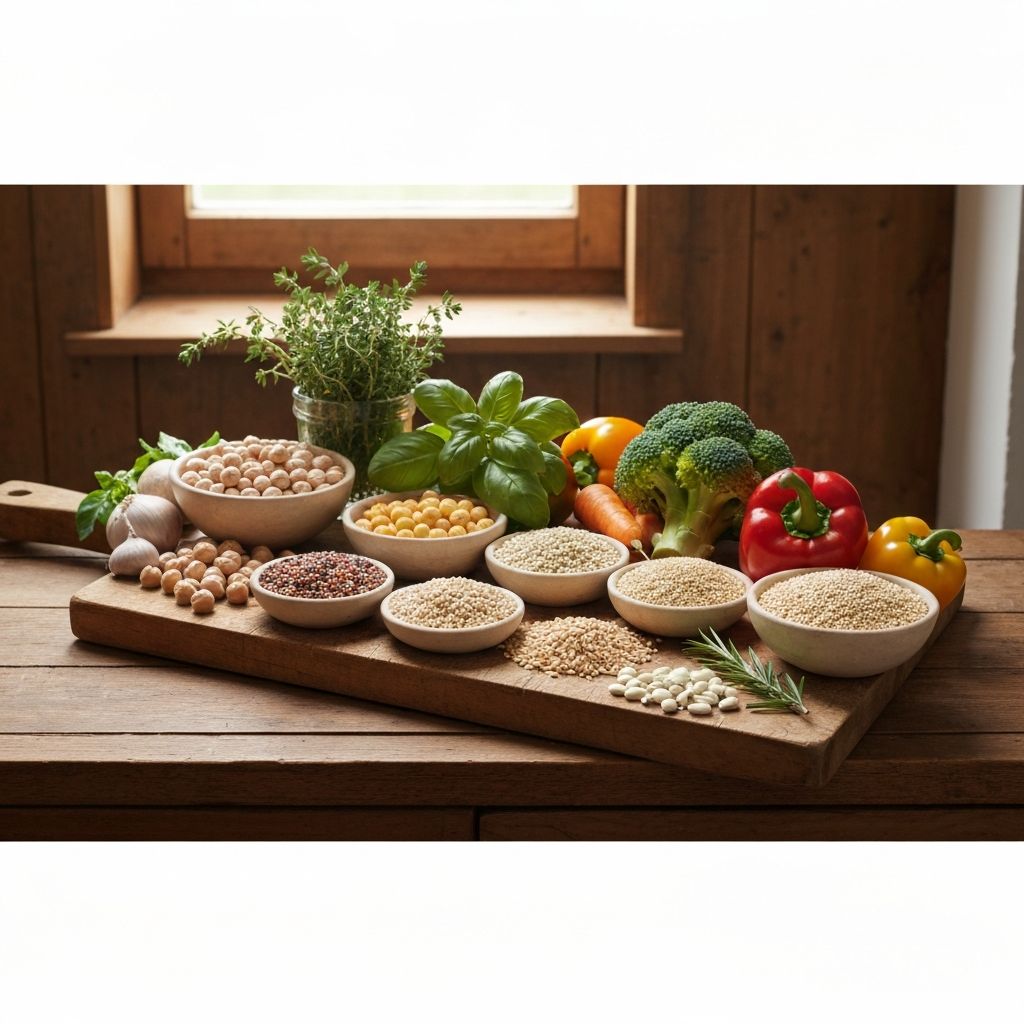
Vitamins and minerals are essential micronutrients that play diverse roles in human physiology. These compounds, obtained through diet, participate in countless biochemical processes.
Vitamin A supports vision and cellular function. B-complex vitamins are involved in energy metabolism. Vitamin C acts as an antioxidant. Vitamin D influences calcium absorption. Vitamin E protects cellular membranes. Vitamin K contributes to blood coagulation.
Minerals such as calcium, magnesium, zinc, and selenium each have distinct functions. Their presence in various foods reflects the geological and agricultural conditions of different regions.
This overview presents factual information about these micronutrients without suggesting individual supplementation or therapeutic use.
Plant-Based Ingredients and Benefits
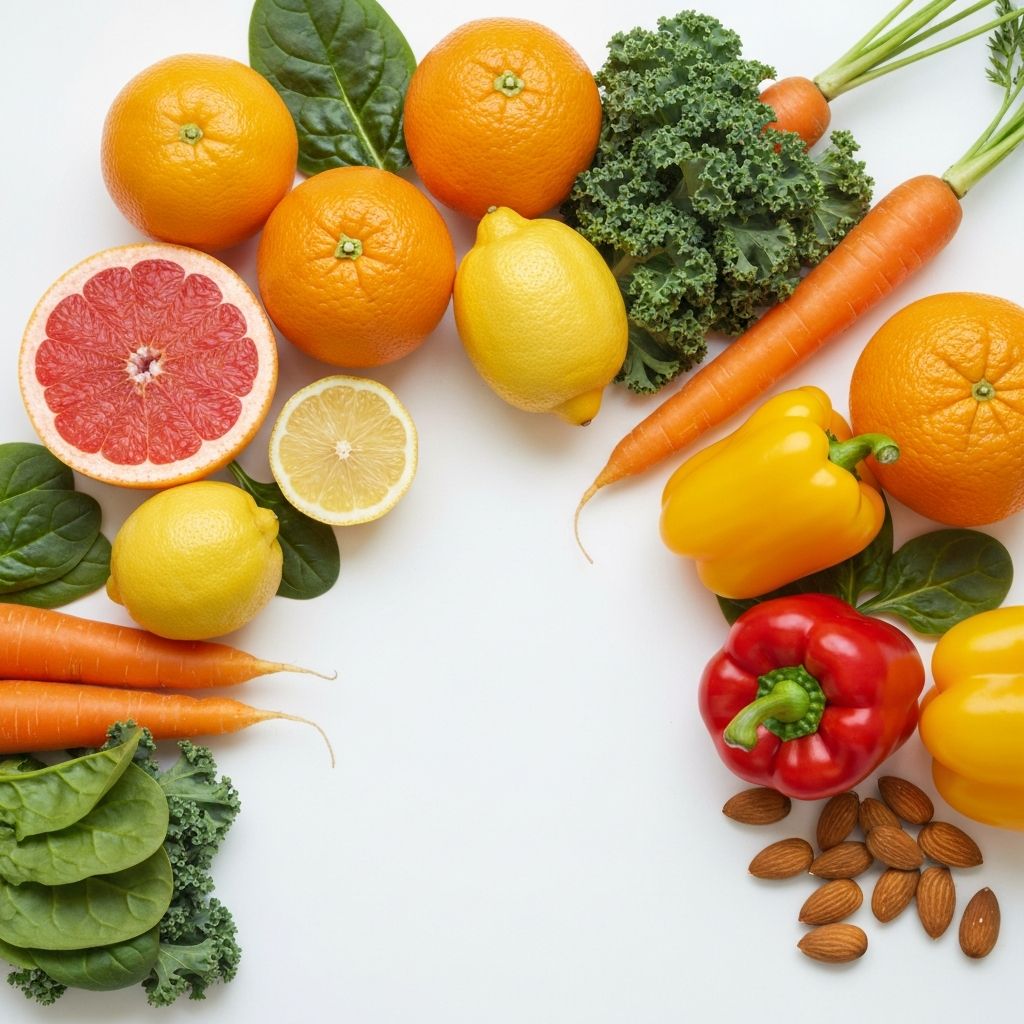
Plant-based ingredients form the foundation of dietary traditions across cultures. Vegetables, fruits, legumes, nuts, and seeds provide a complex array of nutrients, fibers, and phytochemicals.
Phytochemicals are naturally occurring plant compounds that have been studied for their biochemical properties. Examples include flavonoids in berries, carotenoids in orange vegetables, and polyphenols in tea and certain herbs.
Historical records show that various civilizations developed sophisticated knowledge about plant use. Traditional cuisines often incorporated local plants that provided nutritional diversity.
This section explores the composition and cultural significance of plant-based ingredients, emphasizing knowledge over recommendation.
Balanced Nutrition Principles
Macronutrient Balance
Macronutrients include carbohydrates, proteins, and fats. Each serves distinct functions in human metabolism. Carbohydrates provide glucose for energy. Proteins supply amino acids for structural and enzymatic functions. Fats are involved in hormone production and cellular structure.
Different dietary patterns emphasize varying proportions of these macronutrients, reflecting cultural preferences and environmental factors.
Whole Foods Approach
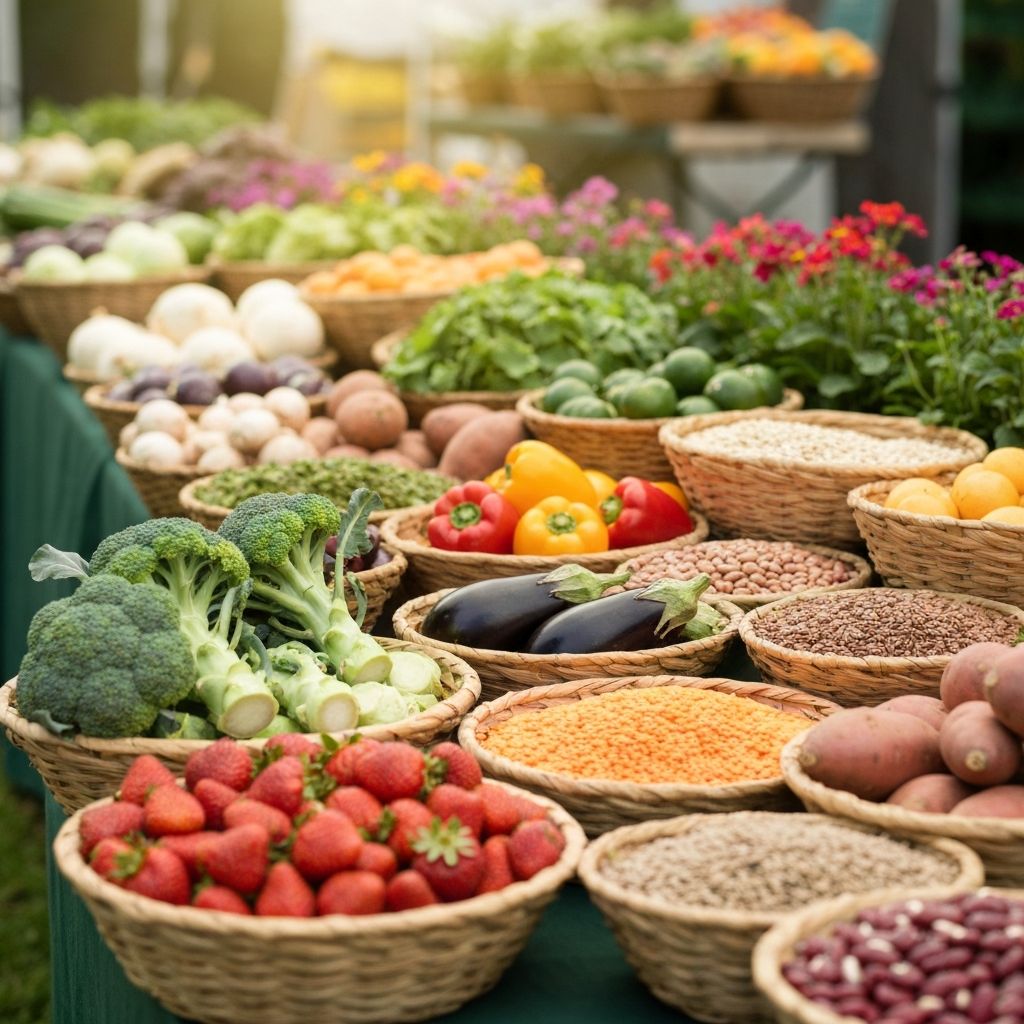
Whole foods are minimally processed ingredients that retain their natural nutritional profile. Examples include whole grains, fresh produce, and unprocessed legumes.
Many nutritional frameworks highlight the importance of food diversity, incorporating a range of ingredients to ensure exposure to various nutrients and compounds.
Daily Habits Supporting Wellbeing
Wellbeing encompasses physical, mental, and social dimensions. Various lifestyle factors have been associated with overall wellbeing in observational studies.
Regular physical activity, adequate sleep, stress management techniques, and social connections are frequently discussed in health literature. These factors interact in complex ways with dietary patterns.
Hydration, consistent meal timing, and mindful eating practices are also topics of interest in nutritional science. Cultural traditions often include rituals around food that serve social and psychological functions.
This section provides context on these topics without prescribing specific routines or guaranteeing outcomes.

Common Myths About Nutrition
Myth: All Fats Are Unhealthy
Scientific understanding distinguishes between different types of fats. Unsaturated fats, found in olive oil, nuts, and fish, have different biochemical properties than saturated fats. Trans fats, often found in processed foods, are generally discouraged in dietary guidelines.
Myth: Carbohydrates Should Be Avoided
Carbohydrates are the primary energy source for many bodily functions. Complex carbohydrates from whole grains, vegetables, and legumes differ from simple sugars in their nutritional profile and metabolic effects.
Myth: Supplements Replace Food
Whole foods contain complex matrices of nutrients, fibers, and phytochemicals that work synergistically. Supplements may provide isolated nutrients but lack the comprehensive profile of whole foods.
Myth: Detox Diets Cleanse the Body
The human body has built-in detoxification systems involving the liver, kidneys, and digestive tract. Scientific evidence for commercial detox diets remains limited in peer-reviewed literature.
Informational Perspectives on Energy and Balance
Energy balance refers to the relationship between caloric intake and expenditure. This concept is central to many nutritional frameworks, though individual metabolism varies based on genetics, activity level, and other factors.
The concept of homeostasis describes how biological systems maintain stable internal conditions. Nutrition plays a role in supporting these regulatory mechanisms through the provision of necessary substrates.
Different life stages and activity levels are associated with varying nutritional requirements. Growth periods, physical training, and aging each present distinct metabolic contexts.
This section presents these concepts from an informational perspective, emphasizing understanding rather than application.

Limitations and Context
Educational Content Only
The information presented on this website is for educational purposes only. It is not intended to replace professional consultation, diagnosis, or individual guidance from qualified practitioners.
Nutritional science is a complex and evolving field. Individual responses to dietary patterns vary based on genetics, health status, lifestyle, and numerous other factors.
This resource does not provide personalized recommendations. Readers should understand that general information cannot address individual circumstances.
Educational content only. No medical services. No promises of outcomes.
Always consider consulting with appropriate professionals when making decisions about nutrition, health, or lifestyle changes.
Frequently Asked Questions
What is the purpose of this website?
This website serves as an educational resource about natural dietary components. It provides information about nutrients, ingredients, and nutritional concepts from a scientific and cultural perspective.
Does this website provide nutritional advice?
No. This website offers educational content only. It does not provide personalized nutritional advice, meal plans, or individual recommendations.
Are the materials scientifically based?
The content draws from scientific literature, nutritional science, and historical sources. However, nutritional science continues to evolve, and interpretations may vary among experts.
Can I use this information to make dietary decisions?
This website provides context and information. Individual dietary decisions should consider personal circumstances, preferences, and professional guidance when appropriate.
Does this website sell products or services?
No. This is an educational resource only. We do not sell products, services, or nutritional programs.
Additional Reading and References
Nutritional science draws from diverse disciplines including biochemistry, physiology, agriculture, and anthropology. Academic journals publish ongoing research in this field.
Historical texts and ethnographic studies provide insight into traditional dietary practices. Archaeological evidence reveals the evolution of human diets across millennia.
Public health organizations and research institutions offer evidence-based information about nutrition. These sources undergo peer review and scientific scrutiny.
Readers interested in deeper exploration may consult scientific literature, university courses, and reputable educational platforms.

Continue Exploring
Discover more educational content about natural dietary components and nutritional science.
Read more